24 Sept 2025 ● Chris Eccles
Gen Z: Preparing for the leap from education to employment
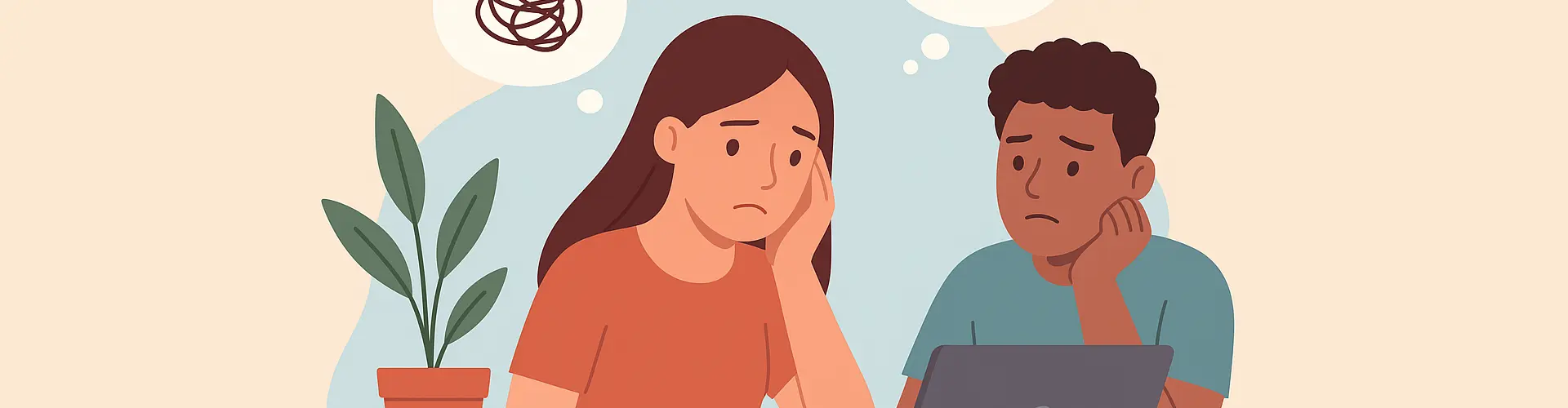
For many students and other young people of the Gen Z era, the idea of stepping into the world of work can feel exciting, daunting and occasionally overwhelming.
You’ve spent years in education where routines, expectations and markers of success are pretty clear and well-defined.
Now, suddenly, you’re expected to enter an environment with its own rules, culture and pressures. And it’s almost always while you are also navigating personal anxieties such as the so-called ‘Sunday Scaries’ and dealing with workplace stereotypes like the ‘Gen Z stare’.
At Employment4Students (e4s), we understand that this shift from education to employment is a huge transition for you.
Our aim in this article is to show you that your feelings are valid and that you’re not alone in facing these challenges.
And, most importantly, that you can prepare yourself with confidence to thrive in the workplace.
The big shift: education vs. employment
One of the biggest challenges for Gen Z (aka Zoomers) is adapting to the cultural and structural differences between education and employment.
At school or university, you often work independently, with feedback cycles based on essays, projects and exams.
In employment, your work may be collaborative, fast-paced and reviewed in real time.
You need to get used to differences such as:
Less predictable routines: Workdays may vary, deadlines may shift and projects often evolve quickly
Different authority structures: Instead of teachers or lecturers, you’ll be working with managers and colleagues who may expect self-initiative and self-motivation
Team dynamics: Unlike studying solo, many jobs involve group collaboration. That can sometimes feel unfamiliar at first
Recognising these contrasts early will help you prepare mentally for what’s in store. It’s important to know that employment isn’t harder or easier than education; it’s just different.
Understanding Gen Z workplace concerns
A phrase that’s gained traction in recent times, the ‘Sunday Scaries’ describe that creeping dread before the start of a workweek.
The ‘Sunday Scaries’
For Gen Z, who are often open about mental health, this anxiety is particularly relatable. It’s not laziness; it’s the stress of the unknown, of performance pressures or of work overshadowing your personal life.
Some ways to help you deal with Sunday Scaries:
Plan your Mondays ahead. Lay out clothes, food and to-do lists on Sunday evening
Try to reframe your Mondays as a fresh start rather than something to fear
If your bad feelings persist, talk to managers or mentors at work; employers are increasingly open to discussions about well-being
The ‘Gen Z Stare’ & other stereotypes
Social media has also highlighted workplace stereotypes about Gen Z – including the now infamous ‘Gen Z stare’ (seen as a blank look when asked to do something, especially in forward-facing roles like customer service).
In reality, though, this is often a mix of processing information differently, masking nervousness or simply not carrying out facial cues which older generations might expect.
How to prepare for these sorts of stereotypes:
Remember that workplace culture may differ from interactions with your friends who are around the same age as you
Ask follow up questions instead of staying silent if something is unclear
Don’t let the memes define you; professionalism and enthusiasm can speak louder than stereotypes
Building confidence before you start work
Preparation is very important in easing anxiety during the education-to-employment transition. Here are a few practical steps to help:
1. Research industries and companies
Look into the values, culture and expectations of potential employers. Understanding their environment will make interviews and your first days in the workplace run smoother.
2. Develop soft skills
Communication, teamwork and problem solving are often more valued than technical skills for entry level roles. Practise these during group projects, volunteering or part time jobs.
3. Practice professional habits
Time management, punctuality and email etiquette may sound simple, but they’re essential workplace skills that build trust quickly.
4. Seek experience early
Internships, apprenticeships, part time work or even short term projects help you bridge the gap between theory and practice.
Navigating the first few months in a new job
Your first role may feel like being dropped in at the deep end, but remember: employers don’t expect you to know everything on day one.
That said, here are a few ways to set yourself up for success:
Be curious: Ask questions, observe and learn. No one expects perfection, but they value willingness to grow
Find a mentor: Many workplaces have more experienced colleagues who can informally guide you
Manage your energy: Transitioning from student schedules to full time work is tiring. Build good sleep, exercise and downtime routines
Embrace feedback: Feedback at work is continuous and collaborative. It’s a tool for improvement, not criticism
Balancing well-being and work
Mental health matters. And Gen Z has led the way in making this part of the workplace conversation.
From open discussions about burnout to advocating for flexible working, your generation is reshaping how employers view well-being in the workplace.
Tips for balancing your mental health with work commitments:
Set boundaries: Don’t feel guilty about switching off outside work hours
Use support systems: Employee assistance programmes, student unions or trusted friends can provide outlets for stress
Stay grounded: Journaling, mindfulness or simply having hobbies outside of work will help you maintain perspective
Why your perspective matters
It’s important to remember that you’re not just adapting to the workplace, you’re also helping to shape its future.
Employers are learning from Gen Z’s values around flexibility, inclusivity and mental health. Your voice matters. And your experiences will pave the way for younger generations.
At e4s, we want you to know that you don’t need to suppress your identity or anxieties to ‘fit in’.
Instead, preparation, self-awareness and support will help you thrive while boosting your own unique strengths.
Some final thoughts
The leap from education to employment is one of the biggest transitions you’ll make – so it’s completely normal to feel uncertain or anxious.
By acknowledging concerns like the Sunday Scaries, recognising cultural stereotypes and preparing with practical steps, you can make the leap from education to employment with confidence.
Remember: every professional around you has been through their own version of this transition.
You’re not alone. Your concerns are valid. And, with preparation, you can thrive!
At e4s, our mission is to support you through this exciting stage of life; offering resources, opportunities and encouragement to help you get your career off on the right foot.